
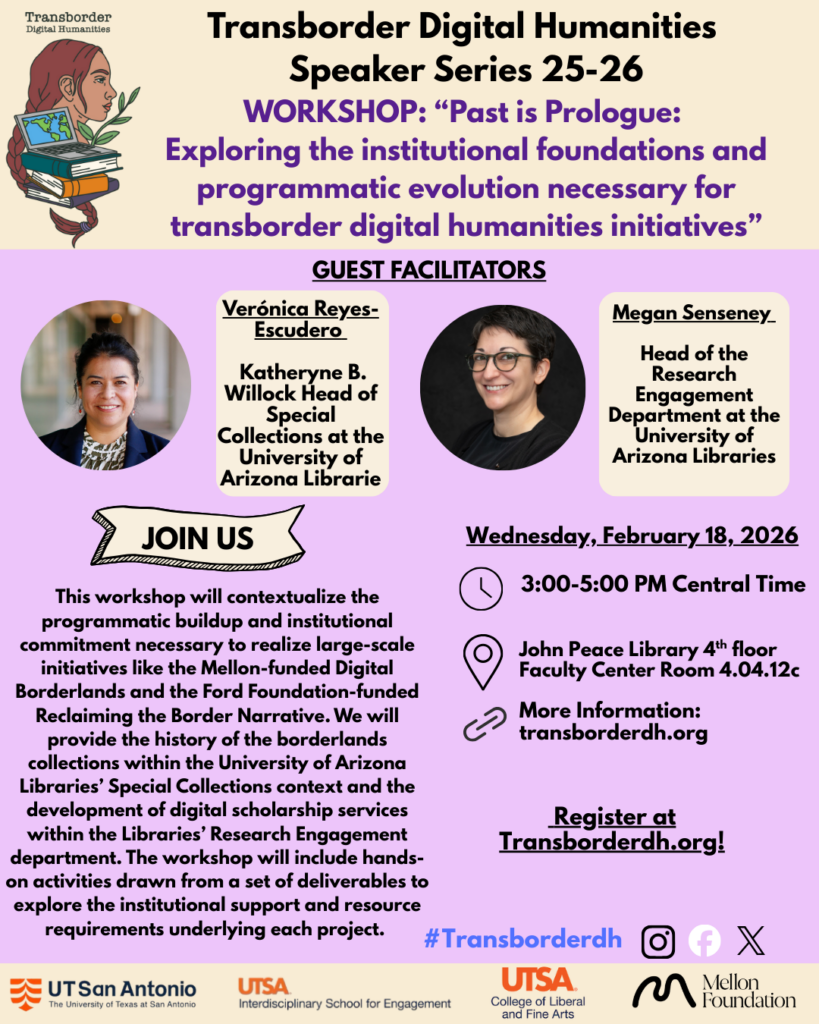
Border stories: Toward ethical and sustainable frameworks for community engagement in borderlands research, curation, and storytelling
Overview
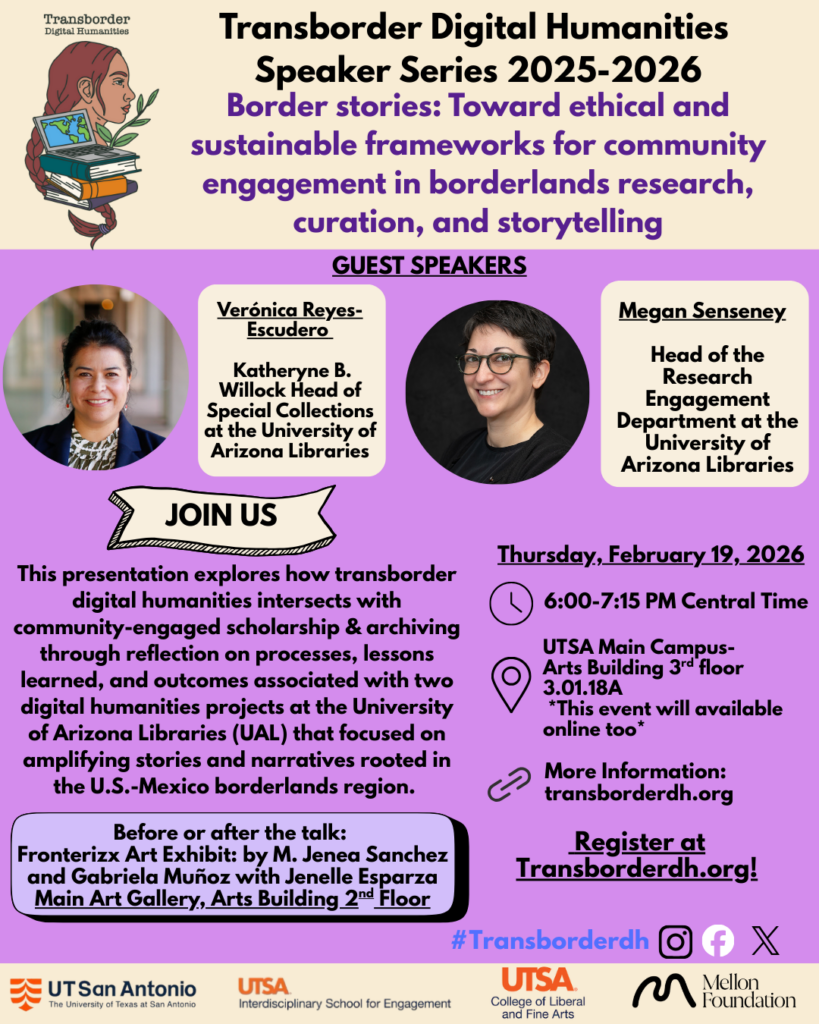
This presentation examines how transborder digital humanities intersects with community-engaged scholarship and archiving by reflecting on the processes, lessons learned, and outcomes of two digital humanities projects at the University of Arizona Libraries (UAL) focused on amplifying stories and narratives rooted in the U.S.–Mexico borderlands; it will be presented alongside Fronterizx: Art by M. Jenea Sanchez and Gabriela Muñoz with Jenelle Esparza at the UTSA Main Art Gallery, which foregrounds twenty-first-century, shared, and socially engaged art practices.
Border stories: Toward ethical and sustainable frameworks for community engagement in borderlands research, curation, and storytelling
Presented by Verónica Reyes-Escudero & Megan Senseney
February 19, 2026
This presentation explores how transborder digital humanities intersects with community-engaged scholarship and archiving by reflecting on processes, lessons learned, and outcomes associated with two digital humanities projects at the University of Arizona Libraries (UAL) that focused on amplifying stories and narratives rooted in the U.S.-Mexico borderlands region. The Mellon-funded Digital Borderlands project utilized a competitive seed granting process to explore how academic libraries can support digital storytelling using a variety of approaches for a set of eight discrete border-focused projects that incorporated a range of data and primary sources, often in collaboration with community research partners. As the archival partner for the Ford Foundation’s Reclaiming the Border Narrative Initiative, the UAL Special Collections collaborated with the Research Engagement department and Confluencenter to explore institutional and post-custodial archival solutions with artists, activists, and journalists who had received funding for projects focused on advancing migrant justice. Both projects ran concurrently, complementing and informing each other throughout. Drawing on comparative assessment and experiences, the presenters have developed a set of concrete recommendations for digital humanities practitioners and library service providers seeking to pursue similar projects, with an emphasis on establishing ethical and sustainable frameworks for community engagement in borderlands research, curation, and storytelling.
Register Here: https://utsa.zoom.us/meeting/register/lAcpmBdLRoejfpv9SoDD1Q#/registration
Watch the Presentation
** All talks will be available later in our TBDH YouTube Channel and translated to Spanish (https://www.youtube.com/@TransborderDH)
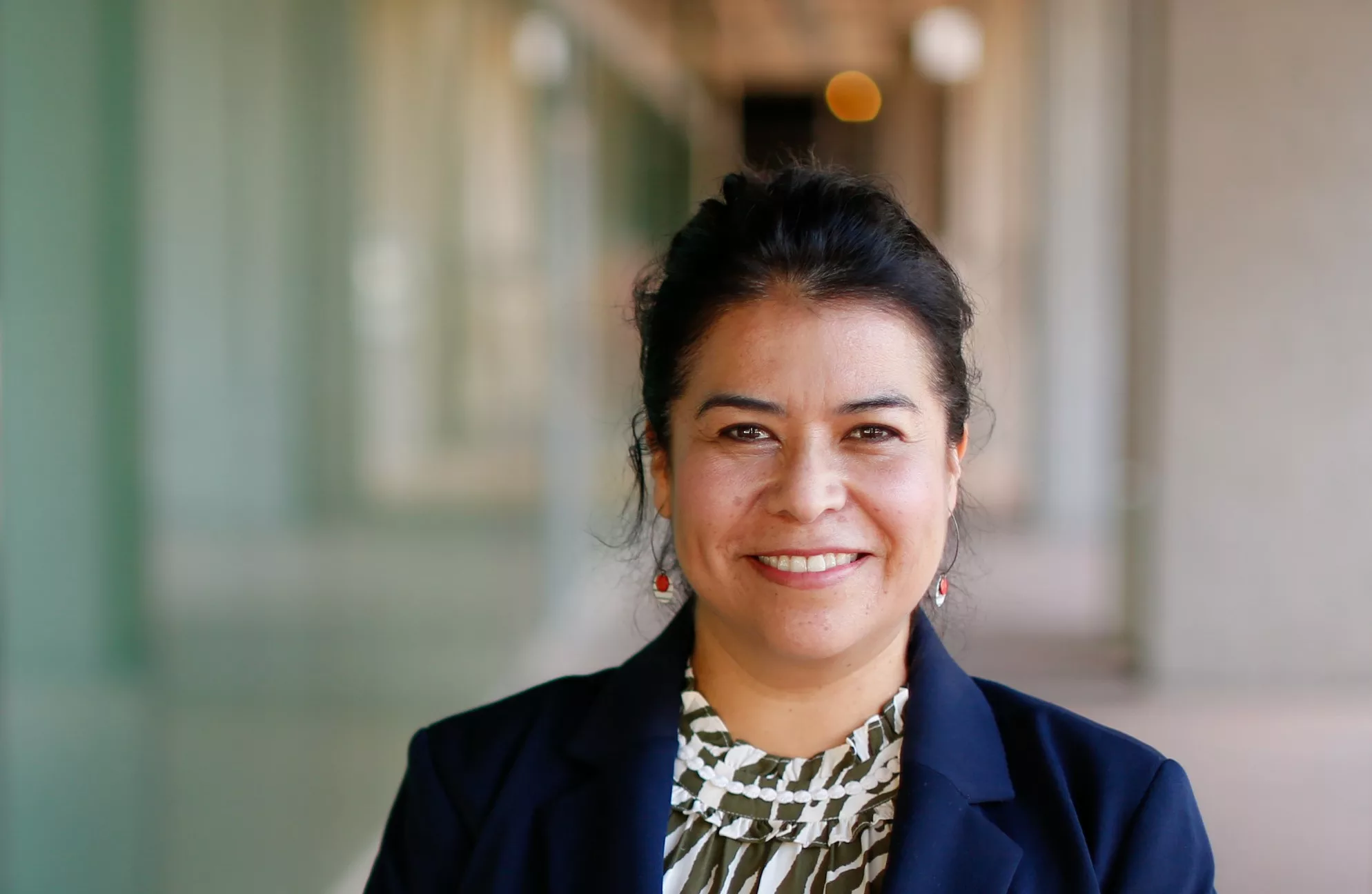
Verónica Reyes-Escudero
Verónica Reyes-Escudero is the Katheryne B. Willock Head of Special Collections at the University of Arizona Libraries. Verónica is co-Principal Investigator (co-PI) of the Mellon Foundation funded Digital Borderlands in the Classroom project and co-PI of the finalized Ford Foundation funded Reclaiming the Border Narrative Archival Partner grant. Previously, she held the position of Borderlands Curator, where she contributed to curatorial efforts focused on centering representative narratives from the U.S. Mexico borderlands. She has been a steadfast contributor to and supports archival literacy and graduate level apprenticeships for students. She has written and presented on incorporating archives-based research into the curriculum, and the intersection of special collections and the digital humanities. She is a former elected Chair of ACRL’s Rare Books and Manuscripts Section and co-author of Latinos in Libraries, Museums, and Archives: Cultural Competence in Action!
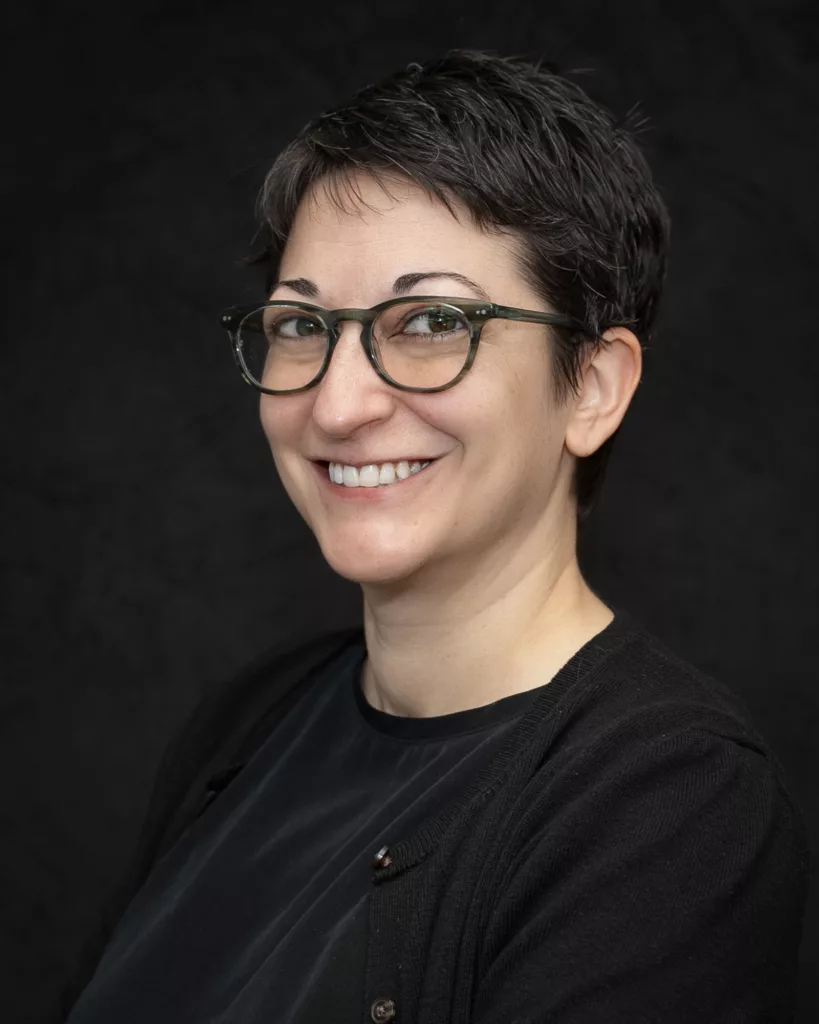
Megan Senseney
Megan Senseney is the Head of the Research Engagement department at the University of Arizona Libraries. Megan is co-Principal Investigator (co-PI) of the Mellon Foundation funded Digital Borderlands in the Classroom project and key personnel for the finalized Ford Foundation funded Reclaiming the Border Narrative Archival Partner grant. She has worked on a range of projects located at the intersection of data curation and the digital humanities, and her interests include building library capacity for data services, scholarly communication, and publishing within the research enterprise. Her research and scholarship focus on the social dimensions of data-intensive research initiatives, including studies of cross-boundary and community-engaged collaboration, the impact of policy and the law on data curation and analysis, and digital training for scholars in the humanities. Senseney holds an M.S. L.I.S from the University of Illinois at Urbana-Champaign (2008).