About the LACDH-TBDH 2026 Symposium
Overview
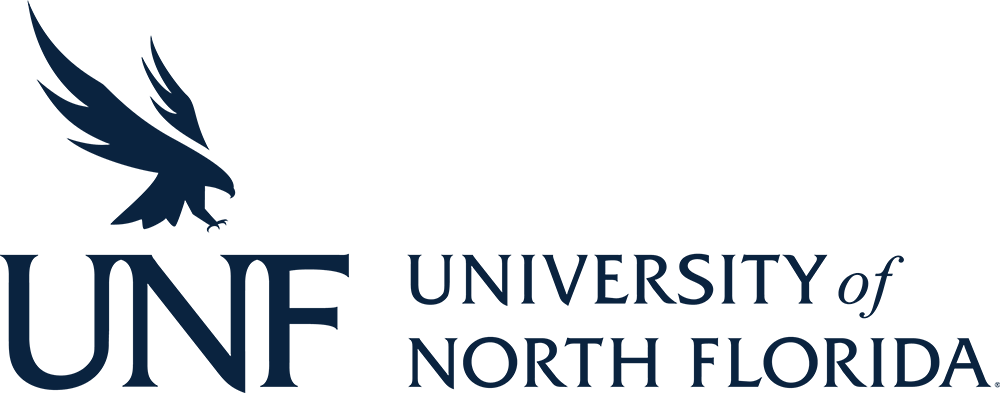
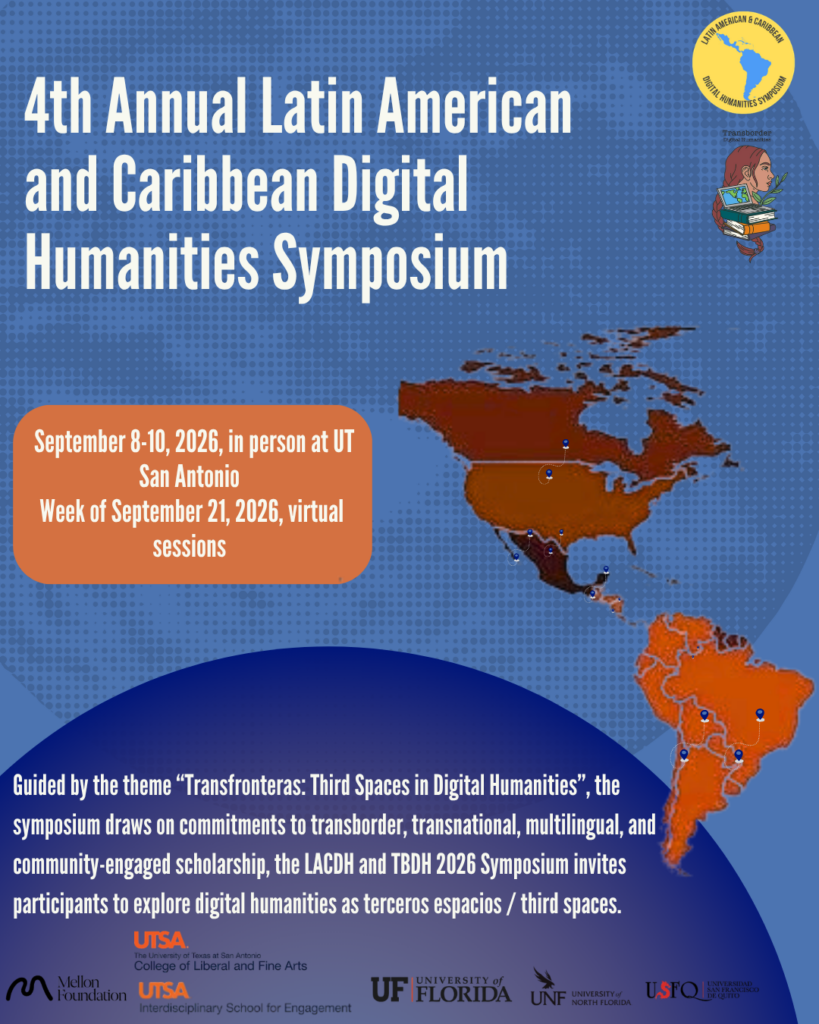
The University of Florida, the University of North Florida, the Universidad San Francisco de Quito, and the Transborder DH Center and Consortium (TBDH) at the University of Texas San Antonio (UTSA) will host the fourth annual Latin American & Caribbean Digital Humanities Symposium from September 8-10, 2026, in person at UT San Antonio. The symposium will also offer virtual sessions the week of September 21, 2026.
For more information visit the Symposium site: https://guides.uflib.ufl.edu/lac-dh-symposium/about
See the program HERE
Meet our Keynote Speakers!
Frameless Testimonios: A Chicana and Latina Method for Immersive Digital Humanities
Description: This workshop brings together Chicana feminist methodology, virtual reality, and community-engaged storytelling to explore how immersive technologies can transform digital humanities research and practice. Grounded in the ongoing VR Chicana Testimonio Research Project in Stockton, California, this keynote and interactive workshop examines “frameless testimonios” as a methodological intervention that challenges traditional archival, cinematic, and academic frames through immersive media and community-based research.
Led by Nancy Huante-Tzintzun and Diego Bonilla, participants will engage questions of methodology, memory, archival activism, embodiment, and digital storytelling while exploring how VR can function not simply as technology, but as a Chicana and Latina research praxis. The session will include discussion, immersive demonstrations, and collaborative reflection on the possibilities and tensions of building community-centered digital humanities methods beyond traditional academic frames.
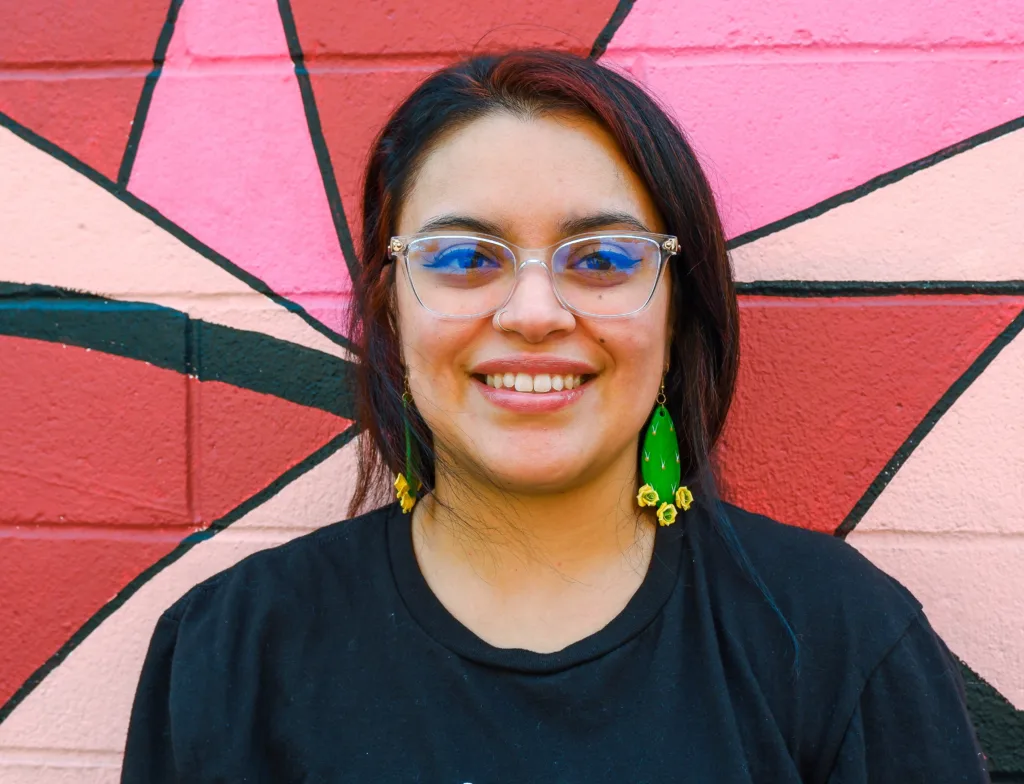
Nancy Huante-Tzintzun is a Chicana scholar-activist, community organizer, and Assistant Professor in the Department of Ethnic Studies at Sacramento State University. Born in Michoacán, Mexico and raised in Stockton, California, her work is grounded in Chicana feminist methodologies, community-engaged research, archival activism, and storytelling as a practice of resistance and collective memory. She is Co-Director of the Chicanx & Latinx Studies Program at Sacramento State and co-founder of Nopal Stockton, a community organization focused on political education, storytelling, wellness, and sustainability.
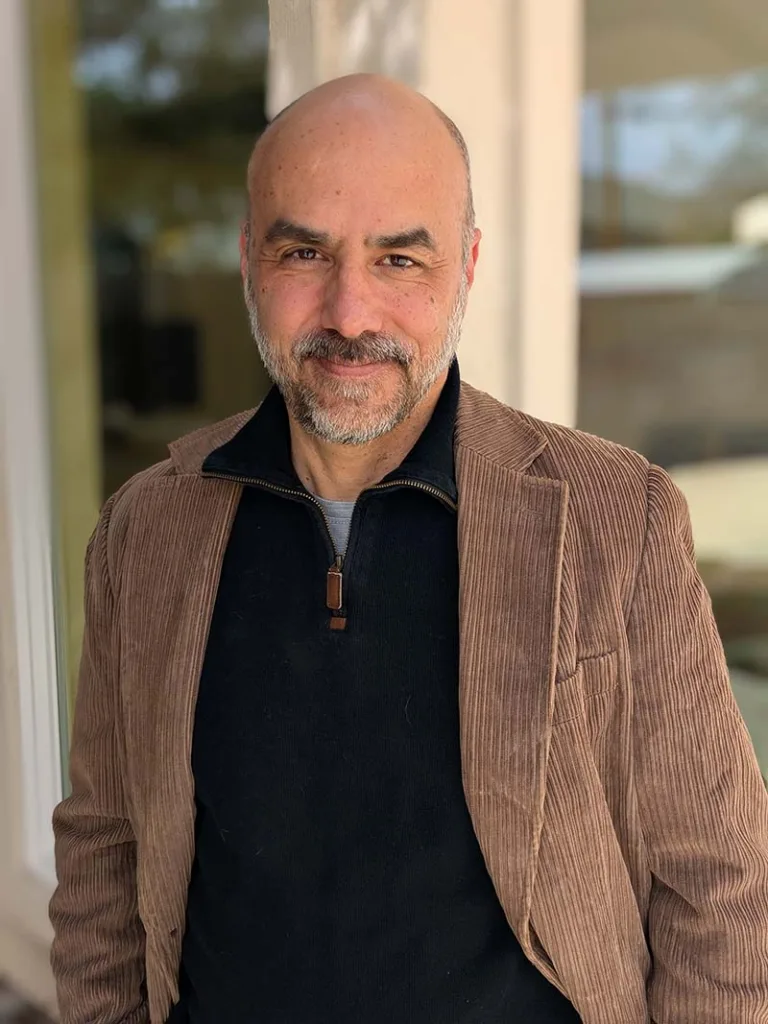
Diego Bonilla is a Mexican-born scholar, filmmaker, and Full Professor in the Department of Communication Studies at Sacramento State University. Born in Mexico City and educated at ITAM and Syracuse, his research and creative practice span immersive narrative theory, algorithmic cinema, and electronic literature. His scholarly and creative work includes “Frameless Cinema” (with Helena Galán Fajardo; 2020, Disertaciones), the VR film Uku Pacha (with Universidad de Cuenca, Ecuador), A Space of Time (1st Prize, Moscow International Film Festival), and electronic-literature works Tablada Hipertextual (UNAM, 2020) and Big Data (Electronic Literature Collection Vol. 4) — many of them gathered at hypergraphia.com.
Nuestra Delta Mágica: Reclaiming the love for our hometowns on the South Texas border
Description: If you grew up on the South Texas border, the false narrative of there is nothing here permeated both in our self-identities and our understanding of the place we live. This is a common lie that seeps into our daily lives and invites us to leave. There is nothing here, so that means we are nothing, and we need to leave our community to become someone. Nuestra Delta Magica traces this false narrative to colonization and the myths built around it that help maintain it. Believing that there is nothing there about any place on the planet comes from the white settler colonial imaginary. During this session, we will learn about destructive companies threatening to dispossess and harm people in the Rio Grande Valley. This keynote will invite us to remember the beauty and ecological abundance of the Rio Grande Delta, and reclaim the river and its delta as a lifeway, as public space, and a site of connection.
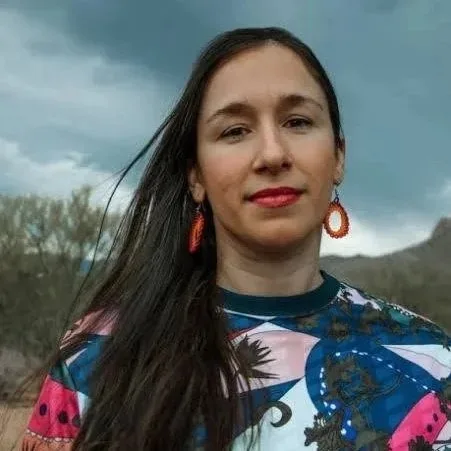
Nansi Guevara is an artist, illustrator, and storyteller rooted in the South Texas borderlands. Having spent most of her life living near the Rio Grande river, her work lives at the intersection of environmental and spatial justice, and graphic storytelling, tending to histories that have been erased and futures that are still possible. Guided by indigenous sovereignty and cultural power, her work creates moments of connection that protect what remains and honors what has endured. Guevara’s work has been supported by the Mellon Foundation, The New York Foundation for the Arts, a Blade of Grass, and NALAC.
Mediación entre sistemas: Mediating technologies, languages, and cultures in US/Mexico migration systems.
Description: In the US, it is well-dcoumented that a lack of language access negatively impacts individuals undergoing immigration processes (Belous & Fatás-Cabeza, 2024). For Indigenous language speakers from Mexico and other parts of Latin America, a lack of access to information in Indigenous languages can cause trauma, injury, and death (García, et al., 2022). Indigenous language interpreters act as mediators between languages, cultures, systems and contexts (Hernández & Gonzales, 2022; Gonzales, Lewy, Hernandez, & Ajiataz, 2024).
In this presentation, two language access activists will discuss their experiences and collaborations coordinating and practicing Indigenous language interpreteration in the US and Mexico. Tracing examples of their collaboration facilitating interpretation for Indigenous language speakers over the last 6 years, the presenters will discuss how Indigenous language interpreters work as mediators who translate not only words but also worldviews as they accompany Indigenous language speakers in the US to cross clultural, physical, and linguistic borders.
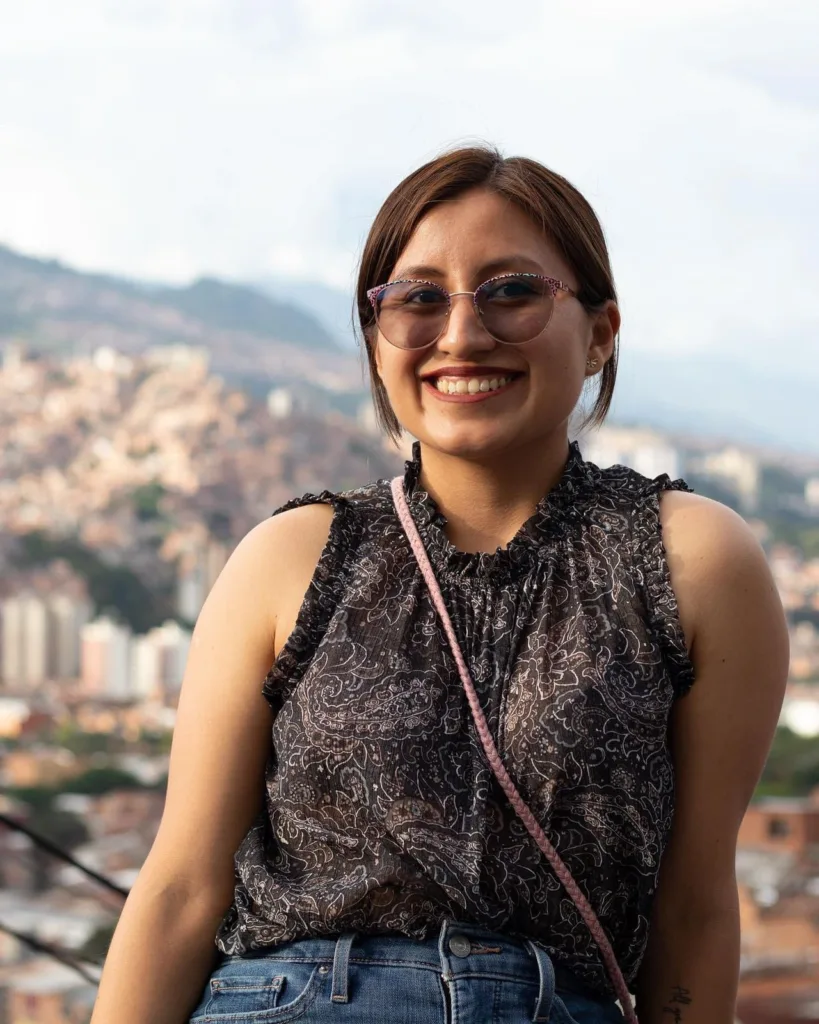
Erika Hernández Cuevas is an activist and advocate for the linguistic rights of Indigenous peoples, specializing in interpretation and intercultural accompaniment for Indigenous migrant communities in Mexico and the United States. Her work focuses on language access in courts, public services, and community spaces, promoting the recognition of Indigenous languages and the work of interpreters.
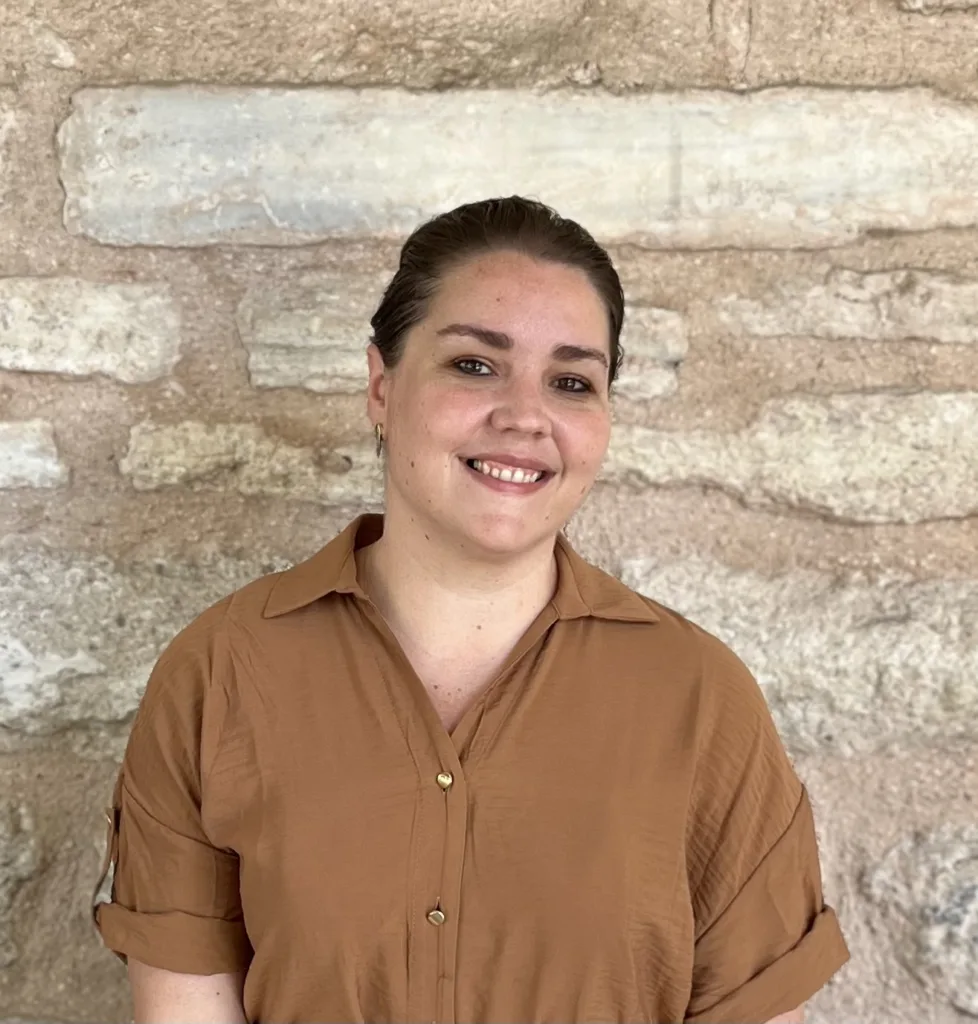
Dr. Laura Gonzales researches and teaches the intersections of language, technology, and community. She is the author of Sites of Translation: What Multilinguals Can Teach Us About Digital Writing and Rhetoric (University of Michigan Press, 2018) and Designing Multilingual Experiences in Technical Communiation (Utah State University Press, 2022). Dr. Gonzales is the current President of the Association of Teachers of Technical Writing and editor-in-chief of Reflections: A Journal of Community Engaged Writing and Rhetoric.
Featured Panels from the TBDH Team!
Day 1: Tuesday, September 8, 2026, Session 1H – 4:05 P.M. – 5:20 P.M.
For more than three decades, the Paso del Norte region—Ciudad Juárez, Chihuahua; El Paso, Texas; and Las Cruces, New Mexico—has experienced an ongoing crisis of feminicide, gender violence, and disappearance. Families and activists have faced not only devastating loss but also institutional neglect, failed investigations, and archival erasure. In response, feminist collectives, mothers, and human rights defenders have created forms of memory work, counterdata, and digital archives that challenge state-sanctioned forgetting and preserve histories of resistance (Caswell 2021; D’Ignazio 2024).
This roundtable reflects on the UT San Antonio team’s contribution to Fuerza Feminista: Intimate Recovery and Memory Archive (FFIRMA), a transborder, community-engaged digital humanities project developed since 2019 through collaboration among faculty, students, digital specialists, and activists across the U.S.–Mexico border. FFIRMA brings together oral histories, personal archives, legal documents, protest materials, and cultural productions to create a bilingual, multimodal, postcustodial repository grounded in feminist ethics of care, accountability, and community sovereignty.
Participants will discuss the collaborative processes, ethical challenges, and lessons learned in documenting and preserving antifeminicide movements. The roundtable explores how transborder approaches shape decisions around representation, access, language, and digital infrastructure while sustaining community-centered memory work.
Speakers:

Jessica Corona

Subadra Tagle

Emily Rodriguez

Cristina Ortiz

Dr. Sylvia Fernandez
Day 1: Session 1A- 9:30 A.M. – 10:45 A.M.
This panel brings together five Transborder Digital Humanities (TBDH) fellows from The University of Texas at San Antonio to reflect on how collective training, mentorship, and interdisciplinary collaboration shape their research, pedagogy, and public-facing digital work. Grounded in feminist and transborder frameworks, the roundtable explores how identity, lived experience, and positionality inform ethical, relational, and community-centered digital humanities practices.
As women of color, first-generation scholars, borderlanders, and queer scholars, the presenters examine TBDH as a space for critical learning, multilingual digital production, and methodological experimentation. Through projects on gender-based violence, migration histories, queer oral testimonies, and feminist archives, the fellows demonstrate how transborder digital humanities expands knowledge production through care, accountability, and social justice.
Speakers:
Jessica Corona

Elisa Castro
Emily Rodriguez
Cristina Ortiz
Subadra Tagle
Day 1: Tuesday, September 8, 2026, Session 2F – 2:40 P.M. – 3:55 P.M.
This roundtable reflects on the Concientizando Comunidades Colectiva (CCC) and two grant-funded initiatives focused on building community-centered digital archives in San Antonio and Texas. Stage 1 (2022–2023), Alternative Archives of Leadership and Activism in Texas, developed three community archives through feminist, multigenerational, and translingual methodologies that centered counternarratives of resistance, care, and leadership while providing students, faculty, and community members with digital humanities tools and public scholarship experience.
Stage 2 (2024–2025), CCC Workshops: Building and Teaching Community Archives, expanded this work through collaborative workshops with the Esperanza Peace and Justice Center, faculty, students, and community leaders. Using oral histories, fotomemoria, multilingual storytelling, and digital preservation practices, participants created personal, familial, and community archives while exploring the ethics of care, reciprocity, and representation.
As a feminist collective of university and community collaborators, CCC bridges academic and community knowledge through transdisciplinary approaches to storytelling and archival practice. This roundtable will reflect on the possibilities and challenges of feminist, translingual, and community-led digital humanities work, including questions of representation, access, metadata, and how digital archives can support marginalized communities in preserving local, transborder, and transnational histories.
Speakers:
Dr. Sylvia Fernandez
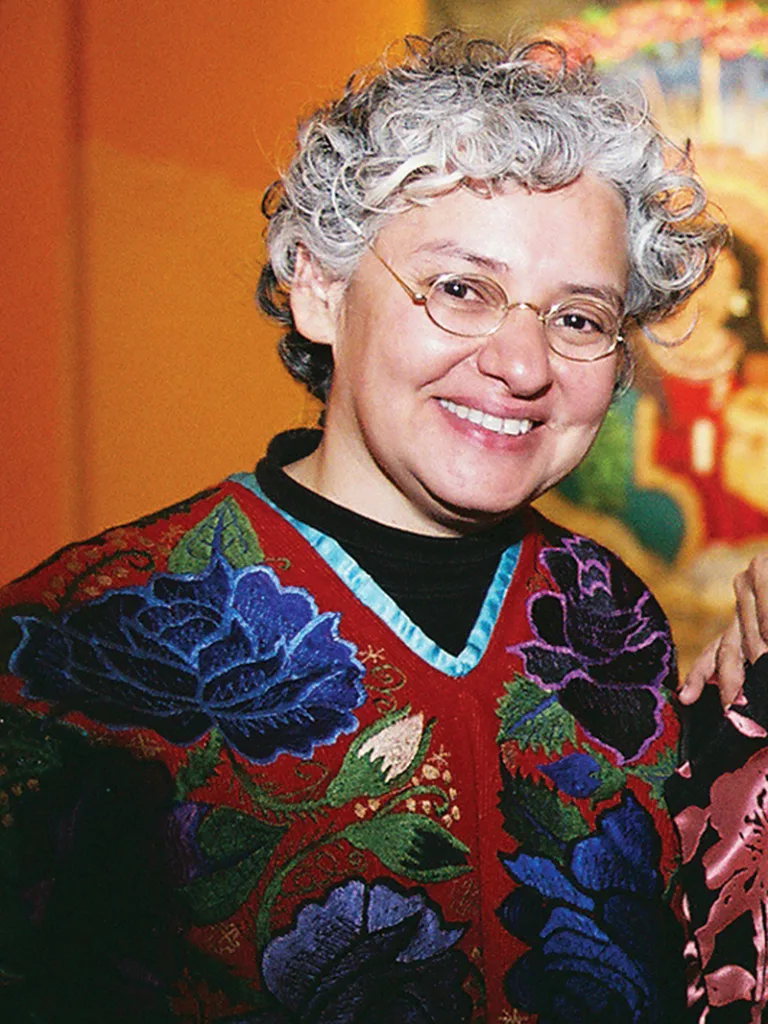
Graciela Sanchez
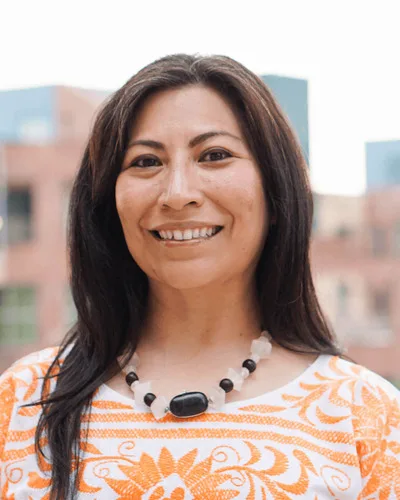
Liliana Saldaña
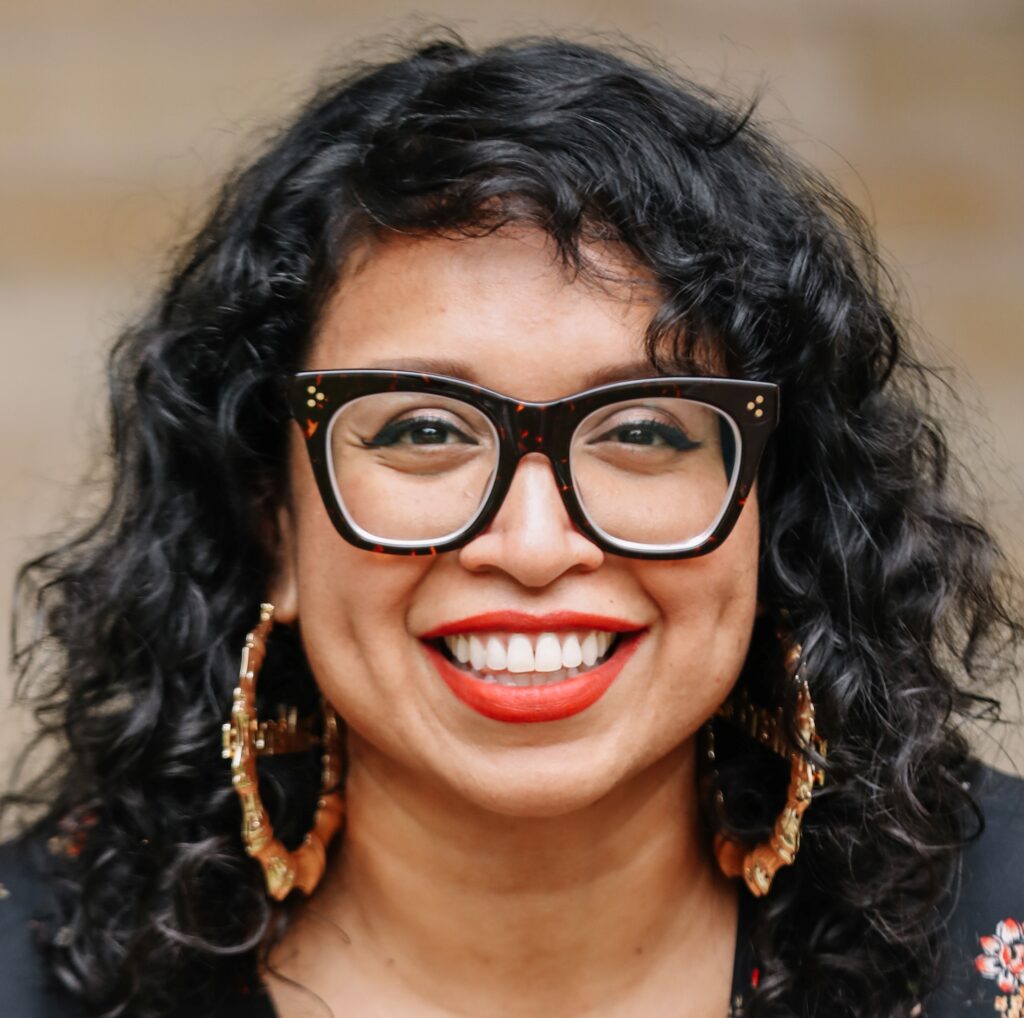
Sylvia Mendoza

Stephanie Gonzalez
Elisa Castro
Day 3: Session 3D – 10:20 A.M. – 11:35 A.M.
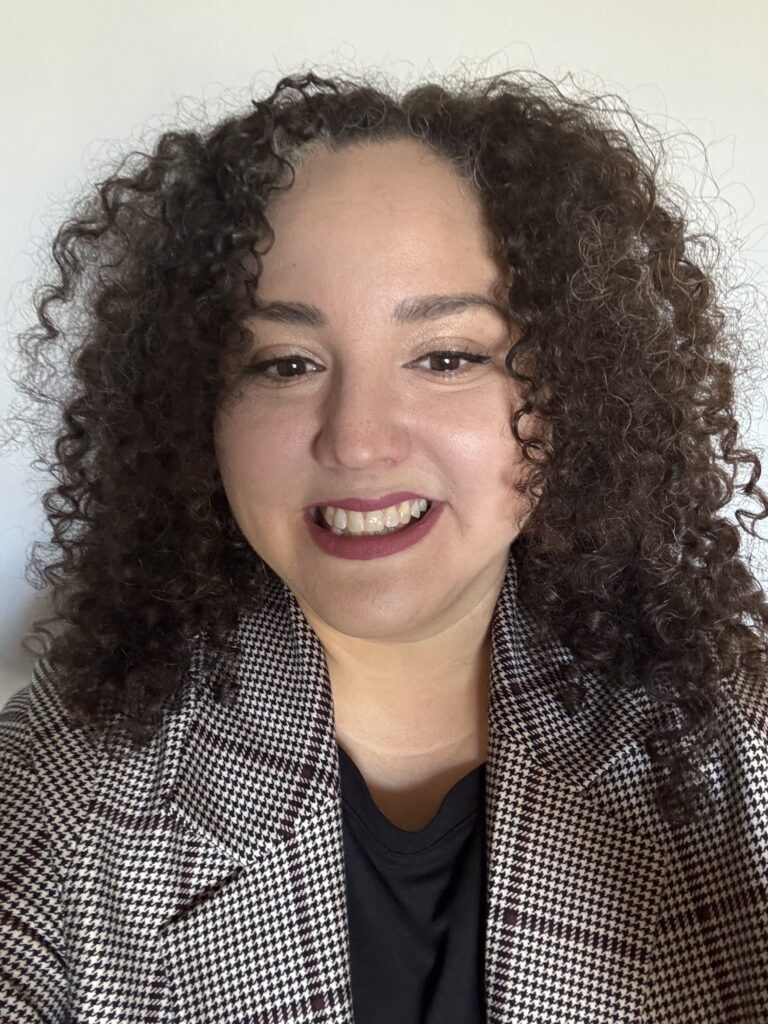
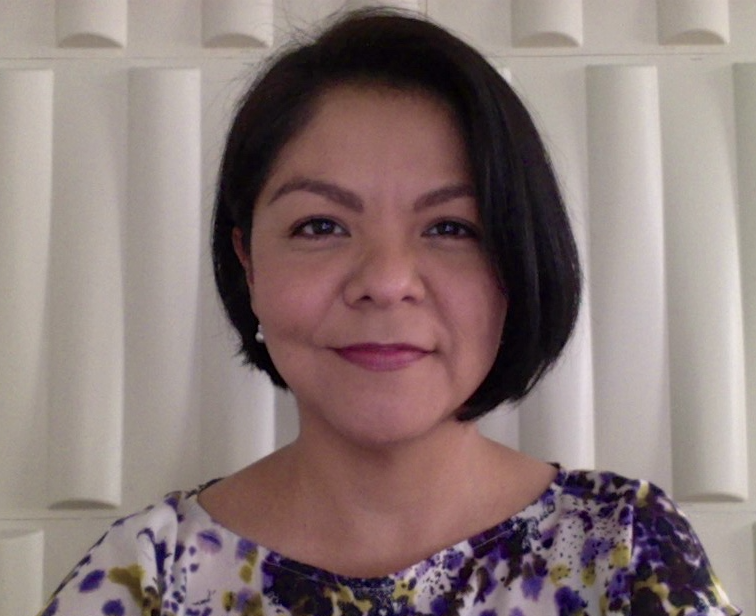
This roundtable brings together members of the 2024–2026 Transborder Digital Humanities (TBDH) Mellon Planning Grant cohort to reflect on the first phase of developing a Transborder Digital Humanities Center at The University of Texas at San Antonio and a broader interinstitutional consortium. Supported by the Mellon Foundation, TBDH is an interdisciplinary, transnational, and feminist initiative grounded in border studies, ethnic studies, digital humanities, and community-centered scholarship.
The first phase focused on building relationships, shared methodologies, and collaborative networks among scholars, students, and institutions through a global speaker series and interdisciplinary exchange. Bringing together work in archives, heritage studies, race and gender studies, media, and digital humanities, TBDH explored how digital practices can address cultural, political, and social questions across borders.
Speakers will discuss how TBDH expands digital humanities through feminist ethics, multilingual approaches, community engagement, and collaborative knowledge production. The roundtable will reflect on mentorship, capacity-building, and the challenges of creating a center and consortium rooted in care, reciprocity, and digital justice. Together, participants will consider how TBDH’s planning phase has shaped future possibilities for transborder scholarship, public-facing research, and community-centered digital projects.
Speakers:
Dr. Sylvia Fernandez
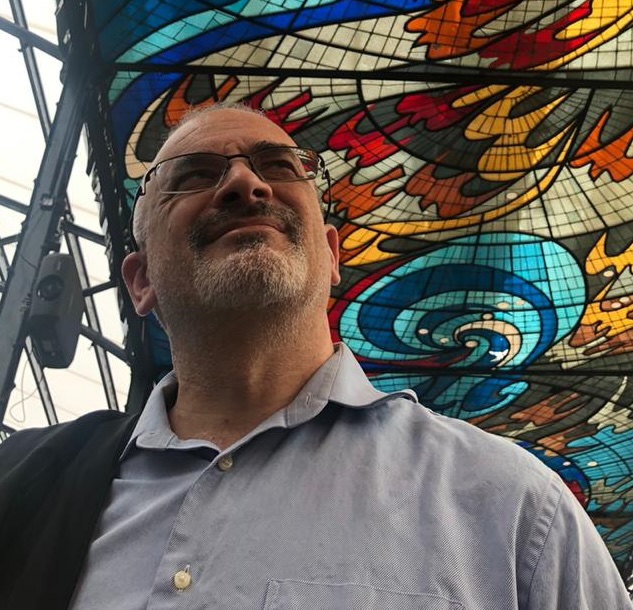
Brian Rosenblum
Dr. Carolina Alonso
Dr. Sylvia Mendoza
Dr. Stephanie Gonzalez
Dr. Laura Gonzalez
Dr. Maira Alvarez
Poster (in person) / Posteres (presencial)
The team at UTSA will print posters for LACDH 2026 poster presenters.
Please review the poster guidelines below for information on poster templates, as well as when and how to submit your poster.
To ensure the UTSA team can print your poster on time, please submit your poster by August 31, 2026. After this deadline, you will be responsible for printing and traveling with your own poster. For instructions on how to submit your print or any other poster related question, please email Dr. Sylvia Fernandez and Elisa.
Poster specifications
Poster PDF dimensions are 36 inches tall and 54 inches wide, in landscape orientation.
- Other sizes or materials may not fit or attach to display frames.
- Please look at this Google Folder to download and use a template with the accurate sizes on your preferred platform
- Make sure to SAVE AS: Last Name, First Name – Poster – Title (PDF)
- Poster guidelines
- Information for submitting your proposal, as well as tips for how to design. Templates are also provided.
2026 CFP
We seek proposals for papers, pre-formed panels with 3-4 speakers, roundtables of up to 6 participants, and posters related to our conference theme, “Transfronteras: Third Spaces in Digital Humanities” focused on Transborder Digital Humanities, or topics related to Digital Humanities on Latin America and Caribbean Studies. We welcome proposals from higher education (students, faculty, staff, and independent scholars) and encourage projects from cultural institutions and organizations doing work in the digital humanities. We encourage proposals for projects at any stage of completion.
- Papers and Posters: Please submit an abstract of no more than 250 words.
- Pre-formed panels (3-4 speakers): Please submit the following materials together in one proposal (Max 1000 words total):
- Description of the overall panel
- Abstracts for each of the presentations within the panel. Include presentation title, presenters’ name and their email.
- Moderator’s name and their email
- Roundtables (up to 6 participants): Please submit no more than 750 words describing the overall theme and objectives of the session as well asthe names and emails of all the roundtable participants and moderator.
Participation limit: An individual may appear twice on the program, once as a presenter of a poster or paper (submitted individually or as part of a pre-formed panel) and once on a round table. Serving as moderator does not count toward participation limits.
About Transborder DH at University of Texas San Antonio
Transborder Digital Humanities (TBDH) is a Center and Consortium focused on community-engaged digital research, teaching and collaboration about borderlands within transborder and transnational contexts. This is a Mellon Foundation–funded initiative housed in the Interdisciplinary School of Engagement in the College of Liberal and Fine Arts at UT San Antonio, in partnership with scholars and librarians in various centers and institutions across the Americas.
TBDH supports scholars at all levels through mentorship, training, digital resources, and collaborative exchange. The transdisciplinary group is grounded in multiple areas, including:
- Critical border-transborder studies
- Translanguaging and heritage-language studies
- Ethnic and race studies
- Gender and sexuality studies
- Responsible computing and data science
- Digital media and digital humanities
- Library and Information studies
By bringing together interdisciplinary researchers, educators, librarians, archivists and community partners, TBDH advances ethical and responsible approaches to representing border stories in the digital cultural record.
Digital Humanities as a Third Space/Tercer Espacio
Building on these commitments and the need to continue and amplify the dialogue, the Latin American and Caribbean Digital Humanities (LACDH) and Transborder Digital Humanities (TBDH) 2026 Symposium—guided by the theme Transfronteras: Third Spaces in Digital Humanities—invites participants to reflect on and discuss digital humanities as terceros espacios / third spaces. Border feminist scholar Gloria Anzaldúa (1987) describes the borderlands as a liminal and hybrid space produced through the meeting of different cultures and identities—an in-between zone where new meanings emerge, where those living at the margins can find belonging, and where dominant narratives can be challenged and transformed. Similarly, her concept of nepantla, understood as a “lugar de en medio,” names a state of transition and ambiguity experienced at geographic, cultural, and identity borders. Rooted in a Náhuatl term, Anzaldúa reinterprets nepantla as a transformative liminal space crucial to the formation of new identities.
Understanding digital humanities as a third space—as nepantla—allows us to recognize a wide range of collaborative efforts across disciplines, cultures, skills and knowledges, languages, communities, and geographies. These efforts have created counter-spaces and alternative models: communities, teams, projects, and ideas within and beyond academia that respond to contest, and challenge dominant narratives. Attentive to local, transborder, transnational, and personal borders, we welcome reflections on work shaped by adversity, mistakes, failures, violence, rupture, and change, and on how such moments become sites for navigating borders through inquiry, creativity, transgression, and transformation.
We embrace the slow, the incomplete, and the pause as productive practices that connect, nourish, and cultivate workflows integrating the humanities and the digital in pursuit of more just and livable worlds. This year’s theme encourages contributors to share lessons learned about transborder digital humanities as commitment, as impact, and as ongoing collaboration with individuals, communities, and teams across borders in times of continual evolution.
For this symposium, we welcome contributions on topics including but not limited to:
- Multilingual-Translingual work
- Multicultural-intersectional representations
- Counter-narratives/data/archives/mapping
- Technology disobedience-sovereignity
- Responsible computing, ethics and policy
- Human-computer interactions
- Digital-political-social threats
- Resourcefulness, creativity and ingenuity practices and methods (rasquachismos/border rasquache)
- Collaborations across nations, communities, individuals
- Transnational solidarities
- Feminist digital resistances
- Shared, connected, dispersed, relational digital structures
- Acts of care, healing, justice, repair, slowing down, revising
- Transdisciplinary-Interdisciplinary pedagogies
- Memory-work
- Local cultural heritages
- Fluidity, mobility, transitions, displacement, migration, division scenarios
- Personal, geopolitical, natural borders
Please contact Sarah Tew (sarahetew@ufl.edu), Hélène Huet (hhuet@ufl.edu) or Sylvia Fernandez (sylvia.fernandez@utsa.edu) for any questions.
2026 Symposium Organizers
Standing Committee
- Hélène Huet, University of Florida
- Melissa Jerome, University of Florida
- Clayton McCarl, University of North Florida
- Anne Pfister, University of North Florida
- Sarah Tew, University of Florida
- Giulianna Zambrano, Universidad San Francisco de Quito
Transborder DH Team
- Sylvia Fernández Quintanilla, PI/Team Lead, University of Texas at San Antonio
- Stephanie Gonzalez, University of Texas at San Antonio
- Sylvia Mendoza, University of Texas at San Antonio
- Elisa Castro, University of Texas at San Antonio
- Jessica Corona, University of Texas at San Antonio
- Carolina Alonso, Fort Lewis College
- Maira Álvarez, University of Toronto
- Laura Gonzales, University of Florida
- Brian Rosenblum, University of Kansas